


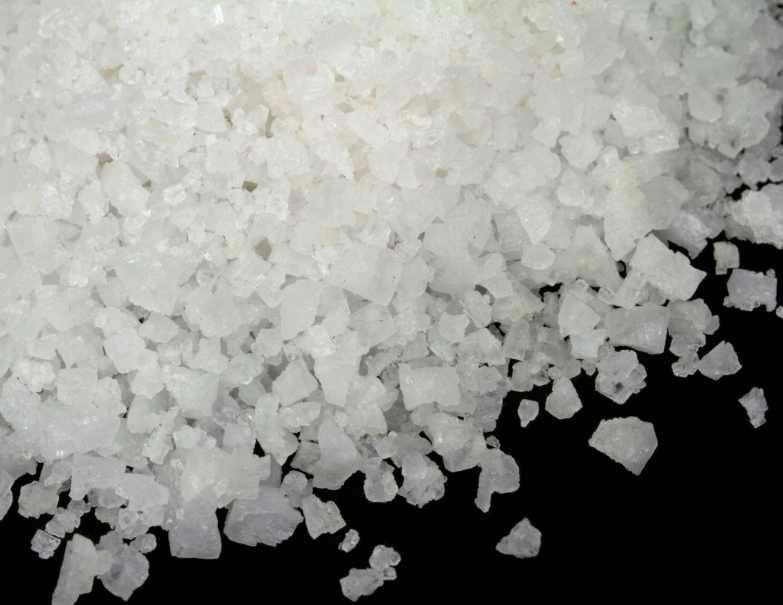
Rock salt can be suitable for some concrete pavers when the manufacturer permits it and application is limited. However, it is not safe for every paving product. Certain slabs, specialty finishes, natural stone, and damaged surfaces may require different treatment or no chemical deicer.
Before November and December ice arrives, identify your paving material and review its care instructions. A bag labelled “concrete safe” does not establish compatibility with every paver, coating, or finish. Even permitted deicers should be used sparingly.
Why Can Deicing Salt Damage Paving?
Rock salt is sodium chloride. It loosens ice by lowering water’s freezing point, but its effectiveness decreases as temperatures fall.
Deicing chemicals can accelerate wear on susceptible surfaces. Repeated wetting, freezing, and thawing can also expose existing weaknesses, particularly where paving is deteriorated or water collects.
Damage is not always caused by salt alone. Poor drainage, unsuitable materials, aggressive snow removal, and previous deterioration can contribute. Understanding the cause matters before replacing damaged pavers or choosing another maintenance product.
Which Pavers Need Extra Caution?
One winter-maintenance routine will not necessarily suit every paved area. Check instructions separately for:
- Concrete interlocking pavers.
- Wet-cast paving slabs.
- Natural stone.
- Factory-coated or factory-sealed products.
- Older paving with cracked or flaking surfaces.
- Steps, coping, and decorative borders.
Manufacturer restrictions may differ between adjoining products. A driveway and its decorative border can therefore require different treatment.
If you cannot identify the material, seek advice before applying chemicals. A stronger deicer is not automatically a safer choice.
How Should You Apply Approved Rock Salt?
Where sodium chloride is approved, begin by removing snow rather than spreading salt over a deep accumulation.
Follow this sequence:
- Clear loose snow using suitable equipment.
- Apply only the amount specified on the label.
- Allow the product time to work.
- Remove loosened ice and slush.
- Reassess conditions before applying more.
Avoid concentrated piles and unnecessary repeat applications. Keep products away from sensitive plants and metal surfaces where practical.
More salt does not automatically improve traction. Excess material increases residue and exposure without necessarily producing better results.
Is Sand a Better Alternative?
Sand improves traction but does not melt ice. It can be useful where chemical deicers are restricted or unsuitable, provided the paving manufacturer permits its use.
Choose an appropriate traction material instead of improvising with fertilizer or unknown chemical mixtures. Products containing ammonium nitrate or ammonium sulfate should not be used as concrete deicers.
Traction material also requires cleanup. Accumulated grit can migrate into drains, create mess, or remain abrasive underfoot. Continue checking icy areas because sand does not eliminate the underlying ice or prevent new freezing.
Does Sealing Make Pavers Saltproof?
No. Sealing does not override a manufacturer’s restrictions or make damaged paving immune to winter wear.
A suitable sealer may help manage staining and appearance, but it cannot correct settlement, standing water, failed joints, or unsuitable materials.
Before winter, inspect drainage, check edges, and identify low spots that repeatedly freeze. Remove leaves and debris that obstruct water movement. Planning repairs around those causes is more effective than relying entirely on salt or a surface treatment.
Discuss Winter Paving Concerns With Epic Paving
Contact Epic Paving if your pavers have recurring icy low spots, damaged edges, settlement, or surface deterioration. The company provides interlocking, asphalt, and concrete work for residential and commercial properties. Share photos and describe where water collects so they can discuss appropriate repair or replacement options.
Addressing paving and drainage concerns helps create a more manageable surface, while following product-specific winter care instructions protects the materials already installed.


