


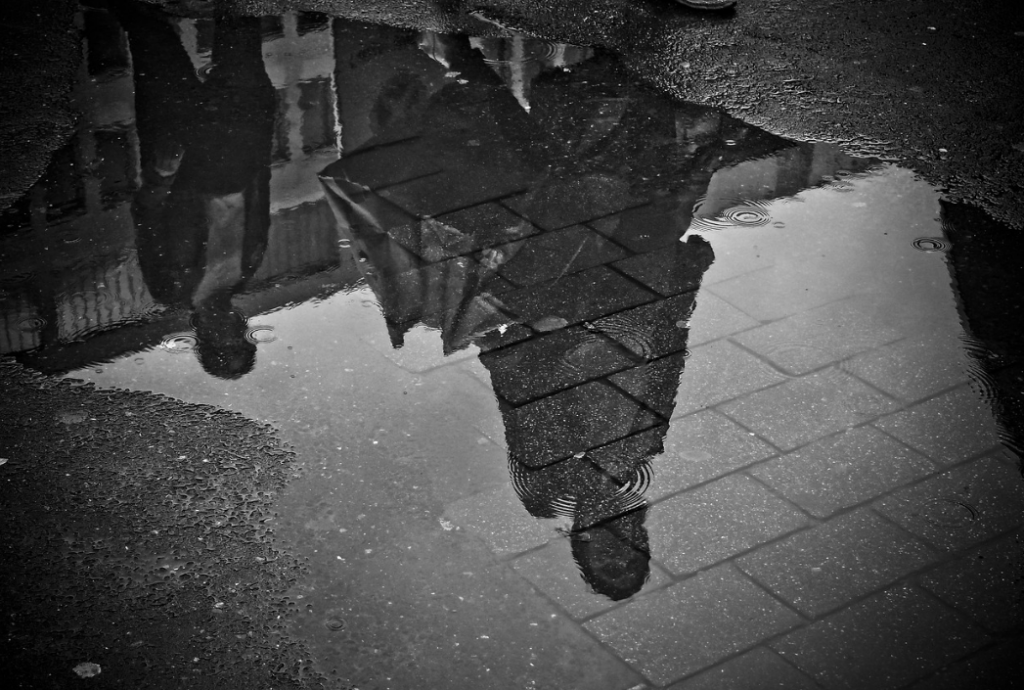
Puddles forming on your driveway are not just annoying, they are a warning sign. Interlocking stone repair fixes the shifting and settling that causes water to pool before cold weather makes things worse.
Why Interlocking Stones Shift Over Time
Pavers sit on a base layer of sand and gravel, not solid concrete. That base can settle, wash out, or shift due to weather, weight, and time, causing stones above to move out of place.
Common causes of shifting include:
- Heavy rain washing out the base layer beneath stones
- Freeze and thaw cycles pushing stones upward or sideways
- Tree roots growing under the paved surface
- Weight from vehicles parked in the same spot for years
- Poor base prep during the original install
Once a few stones shift, water finds those low spots and starts to pool there.
How to Spot Trouble Before It Spreads
Catching shifting stones early saves both money and hassle. Walk your driveway or patio and look for these signs:
- Puddles forming in the same spots after every rain
- Stones that rock or wiggle when you step on them
- Uneven surfaces where one stone sits higher than its neighbor
- Gaps opening up between stones that were once tight
- Weeds or grass growing up through wider joints
Spotting even one of these signs means it is worth calling someone before the problem grows.
Why Fall Timing Matters So Much
Fall rain soaks into gaps and low spots across your paved surface. Once that water freezes in winter, it expands and pushes stones even further out of place.
Getting repairs done before the freeze hits offers real benefits:
- Stops water from soaking under the base all winter
- Prevents small shifts from turning into large, uneven gaps
- Avoids slippery, icy puddles forming on walkways
- Saves you from a bigger, costlier fix come spring
Waiting until spring often means facing a larger repair job after a full winter of freeze and thaw damage.
What a Proper Repair Involves
Fixing shifted pavers takes more than just pushing stones back into place. A lasting repair digs deeper to fix the real cause underneath.
A solid repair process should include:
- Lifting affected stones to check the base below
- Adding or replacing gravel and sand where the base has washed out
- Compacting the new base fully before resetting stones
- Resetting stones level and tight against their neighbors
- Refilling joints with fresh polymer sand to lock stones in place
Skipping the base check often means the same stones will shift again within a year or two.
Drainage Fixes That Stop the Cycle
Sometimes the real issue is not the stones themselves but poor drainage nearby. Water needs somewhere to go, and a flat or low spot with no outlet will keep causing trouble.
Drainage improvements worth considering:
- Adding a slight slope away from the house or building
- Installing a drain channel at low points
- Checking that downspouts direct water away from the paved area
- Regrading soil next to the paved surface if it has settled
Fixing drainage alongside stone repair stops the puddle problem from coming right back.
Keeping Your Surface Solid Year After Year
A little upkeep each year keeps pavers performing well for decades. Small habits prevent the kind of damage that leads to costly repairs later.
Simple upkeep steps include:
- Sweeping joint sand back into gaps as it wears down
- Checking for weeds growing through joints each season
- Clearing leaves and debris before heavy rain hits
- Watching for new low spots after major storms
These small steps add years to the life of any paved surface.
Protect Your Investment Before Winter Arrives
A shifting driveway or patio will not fix itself, and cold weather only speeds up the damage. Getting ahead of the problem now saves both money and stress later.
If your paved surface has puddles, loose stones, or uneven spots, now is the time to act. Epic Paving has spent over 20 years fixing and installing paved surfaces across residential and commercial properties. Reach out to Epic Paving to get your driveway or patio repaired before fall rain turns into winter damage.


