


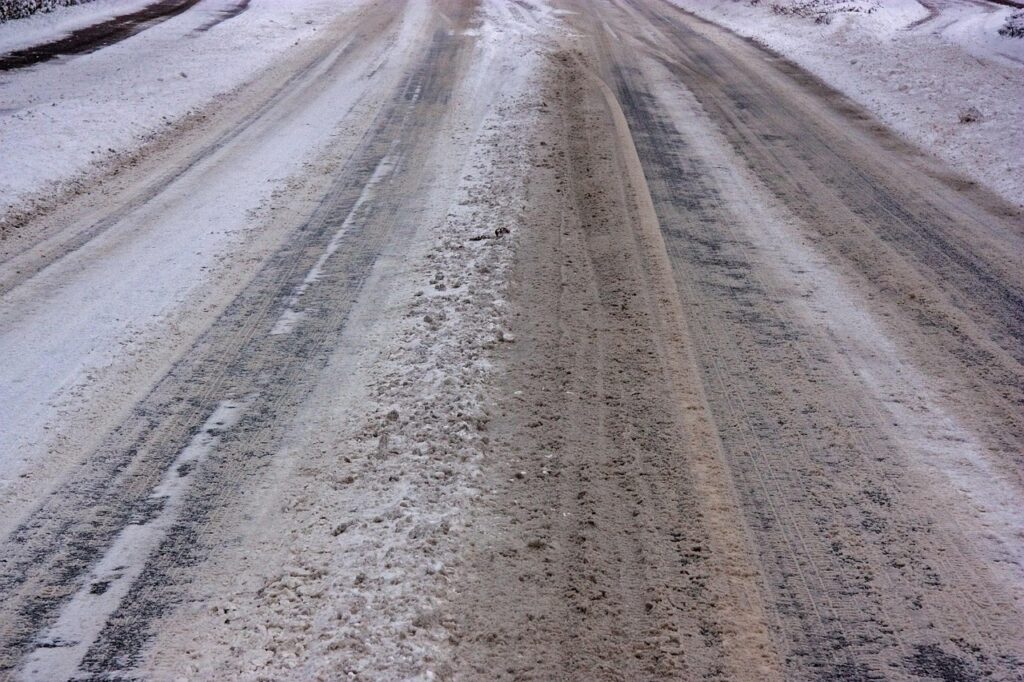
Toronto driveways take a beating in late winter. salt corrosion creeps in slowly each season, and many owners only spot the harm once cracks, pits, and stains show up in Spring 2026. With the right habits and expert paving work, your asphalt or concrete can stand up better to harsh de‑icing cycles across the GTA.
How Road Salt Starts Trouble
Road salt melts ice by lowering the freeze point of water, so slush and melt water sit on your driveway more often. That moisture seeps into tiny pores and hairline cracks in asphalt and concrete, then freezes again on colder nights. Over half of the long term harm comes from this repeat freeze and thaw grind, which opens gaps wider and weakens the surface over time.
Asphalt Versus Concrete In Winter
Asphalt tends to resist direct chemical attack from salt a bit better than plain concrete. The bigger issue for asphalt is that brine soaks into small flaws and speeds up the freeze cycles that break down the binder and lead to loose grit and small potholes. Concrete can face stronger chemical change, with certain salts reacting inside the mix and causing flakes, pits, and white crust on the face.
Why Late Winter 2026 Is So Risky
This winter around Toronto has brought sharp swings between deep cold, brief thaws, and fresh snow. Each swing means a new round of plowing, salting, melting, and refreezing on your drive. That pattern stacks stress on any weak base or thin seal coat, so small flaws that went unnoticed last year may grow into clear trip spots or crumbling edges by early spring.
Signs Salt Is Eating At Your Driveway
Watch for these warning hints as snow banks shrink:
- Thin flakes or chips peeling from concrete.
- New fine cracks that branch out from older lines.
- Dull, rough patches on asphalt where the top layer wore away.
- Pale white salt film or dark wet zones that never seem to dry.
Each sign points to moisture and salt working their way deeper into the surface, which calls for repair before next winter repeats the cycle.
Simple Habits That Limit Damage
You still need safe footing in icy GTA weather, yet you can cut the toll on your paving. Use salt only where grip truly matters, like slopes, steps, and key walk paths, and spread it in a thin, even layer instead of piles. Add sand or fine grit for traction when temps drop very low, sweep off excess build up when ice clears, and shovel snow early so less melt water sticks around.
How Pro Paving Work Helps
A well built drive from a pro crew stands up far better to winter stress. A strong base, correct slope for drainage, and the right asphalt or concrete mix all shape how moisture moves and freezes. Seal coats and quality interlock layouts add more armor, as they help keep water out of the base layers and cut the number of places salt and slush can pool and chew at your finish.
When To Call In Epic Paving
If you see fresh damage this spring, fast action can save you from a full tear out later. Patch work, new seal coats, or a full resurface from a skilled crew can reset the life of your drive and prep it for next winter. For expert help with asphalt, concrete, or interlock in Toronto and the GTA, reach out to Epic Paving to review your driveway and plan smart fixes that stand up to salt and snow.


